EWP Students
Empowering the next generation..
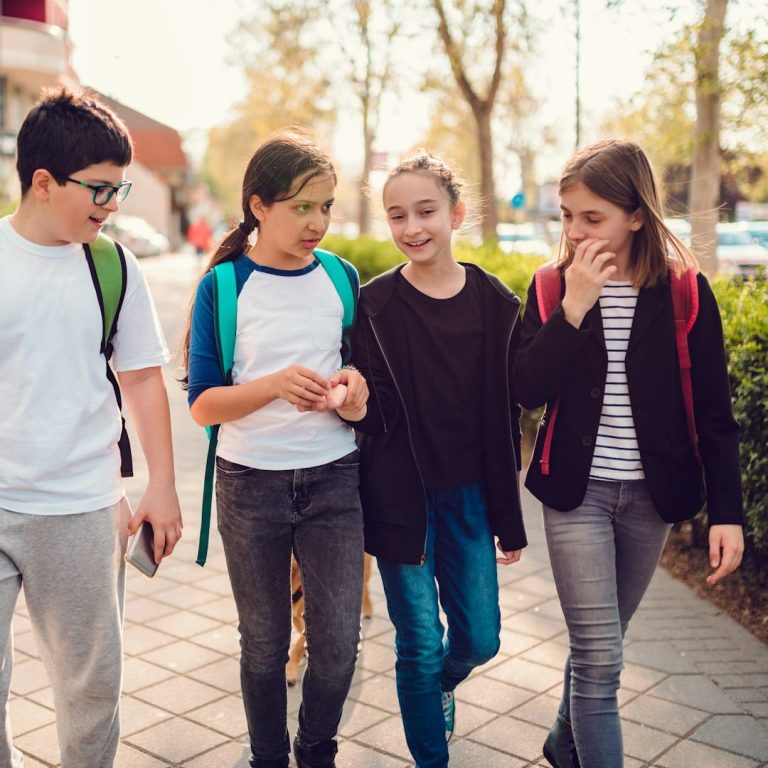
We believe that prioritising mental health and wellbeing is the foundation for every student's success. Our workshops move beyond theory and provide schools and colleges with interactive sessions designed to protect young people's wellbeing and give them the vital mental health tools they need to navigate life challenges with confidence.
Our engaging sessions turn the conversation around mental health and wellbeing into action. We help young people build inner strength and confidence they need to thrive, offering expert guidance on navigating anxiety, stress, family life, exam pressures in an ever- changing world.



What we do
We understand that a 'lecture' or 'talk' can have benefits, however our workshops are designed to be interactive offering hands on tasks, group problem solving, open and safe dialogue to discuss challenges and actionable takeaways.
Interactive
Sessions are activity based - using exercises, discussion, creative tools and practical coping strategies rather than lectures. We work with small groups to encourage peer connection. All sessions are non-judgemental, welcoming and inclusive.
Workshops
Workshops vary and cover a variety of topics, for example, they cover dealing with anxiety and stress, navigating friendship issues, building resilience and self-confidence, managing exam pressures, navigating pressure at home, dealing with low mood as well as pressures relating to future education and career choices.

EWP -Students
Tailored Sessions

Sessions are tailored to the specific requirements of the school and young people and can be carefully aligned with your schools PSHE curriculum or pastoral support progreamme.
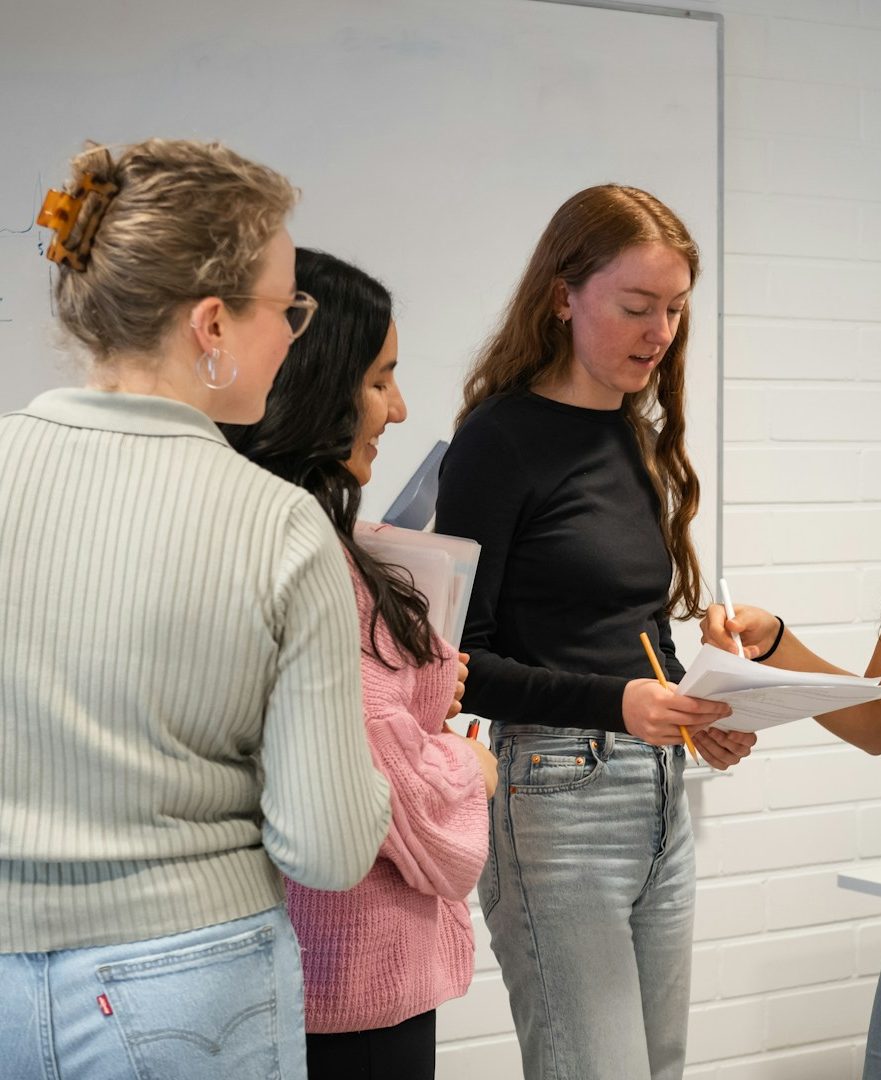
Inclusive Support For Neurodivergent Students
We are committed to ensuring that our workshops are accessible and impactful for every learner. We recognise that students with Autism, ADHD, and other neurodivergent profiles experience the world - and stress - differently.
Sessions are designed with neuro-inclusive strategies at their core, focusing on safe spaces to respect different sensory needs and processing styles.